Tessa Evans, a young girl diagnosed with a rare genetic condition, has captured the hearts of many through her resilience and the support of her family. Born on Valentine’s Day in 2013, Tessa’s story is one of overcoming the challenges posed by Bosma arhinia microphthalmia syndrome, a rare condition that affects the development of the nose and eyes. Despite the hardships of living with such a condition, Tessa’s journey continues to inspire others, especially as medical science continues to advance in ways that may help those facing similar challenges.
Understanding Bosma Arhinia Microphthalmia Syndrome
Bosma arhinia microphthalmia syndrome (BAMS) is an extremely rare condition characterized by the absence of the nose (arhinia) and underdeveloped eyes (microphthalmia). This condition can also affect the development of the brain and other body parts. First documented in 1981, BAMS is so rare that only a few dozen cases have been reported worldwide. The condition is caused by mutations in certain genes, leading to developmental anomalies.
While BAMS is rare, it is important to note that with advances in genetics, medical practitioners have become better equipped to diagnose and manage the condition. The impact of BAMS on individuals can vary widely, but for many affected individuals, it results in lifelong challenges related to breathing, vision, and developmental delays.
Tessa Evans’ Journey with Bosma Arhinia Microphthalmia Syndrome
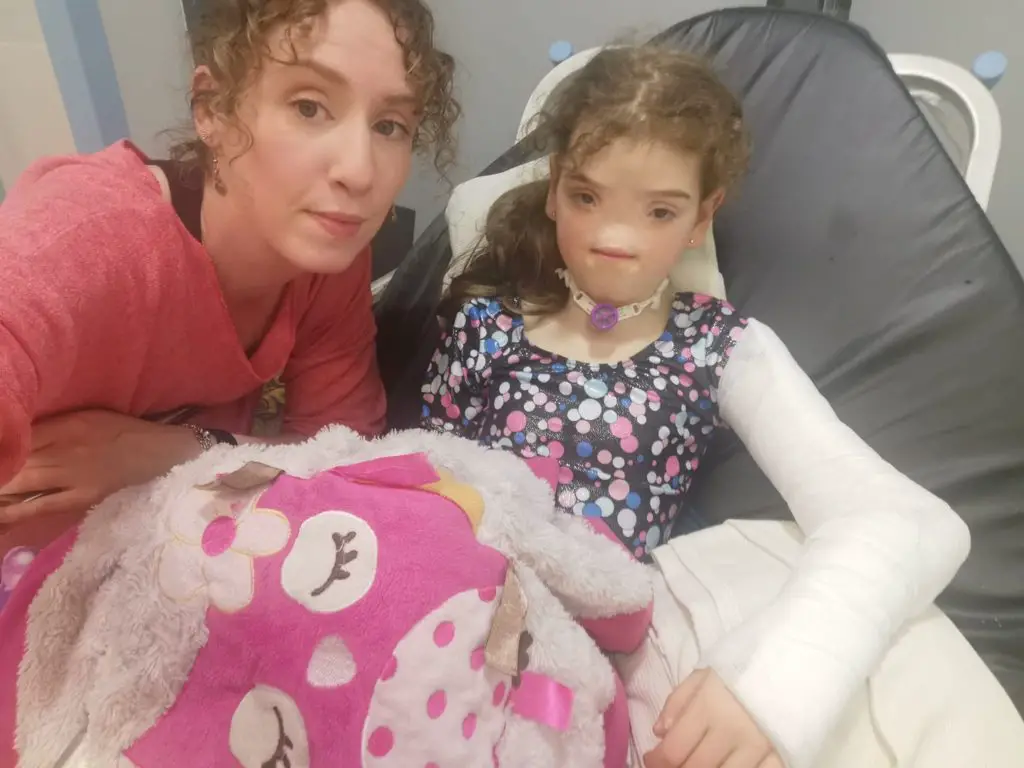
Tessa Evans’ condition has not only been a personal challenge but has also helped raise awareness of BAMS and its effects on individuals and their families. While much of Tessa’s medical history remains private, what is publicly known is that her parents, Grainne and Nathan Evans from Maghera, Northern Ireland, have been dedicated to seeking out the best possible care for their daughter.
Tessa’s journey with BAMS is one that highlights the importance of early intervention, medical advancements, and the relentless efforts of her family. While living with BAMS presents significant challenges, it also underscores the incredible strength of those facing such conditions, as well as the dedication of healthcare professionals working toward better solutions.
Medical Advancements and Treatment Options
Although there is no cure for BAMS, medical science continues to improve, offering hope for individuals living with this condition. Children like Tessa have benefited from treatments that are both innovative and groundbreaking. Some treatments focus on managing symptoms and improving quality of life, such as the use of prosthetics, surgeries to address structural issues, and assistance with vision and hearing impairments. These advancements give patients like Tessa the chance to live fulfilling lives, despite the challenges they face.
For example, one of the early medical procedures available to those with BAMS is a tracheostomy, which helps manage breathing difficulties. Such interventions play an important role in improving the health and well-being of children living with this rare syndrome. Additionally, as medical technology advances, the possibility of more personalized treatment plans continues to grow, offering hope for improving outcomes.
One promising area of research is the development of prosthetics and implants that help improve facial appearance and functionality. Advances in 3D printing and medical imaging are opening new possibilities in reconstructive surgery, which can help children born without a nose gain improved nasal structure and functionality. These developments highlight the ways in which technology can contribute to enhancing the lives of those with rare medical conditions.
The Importance of Family Support and Advocacy
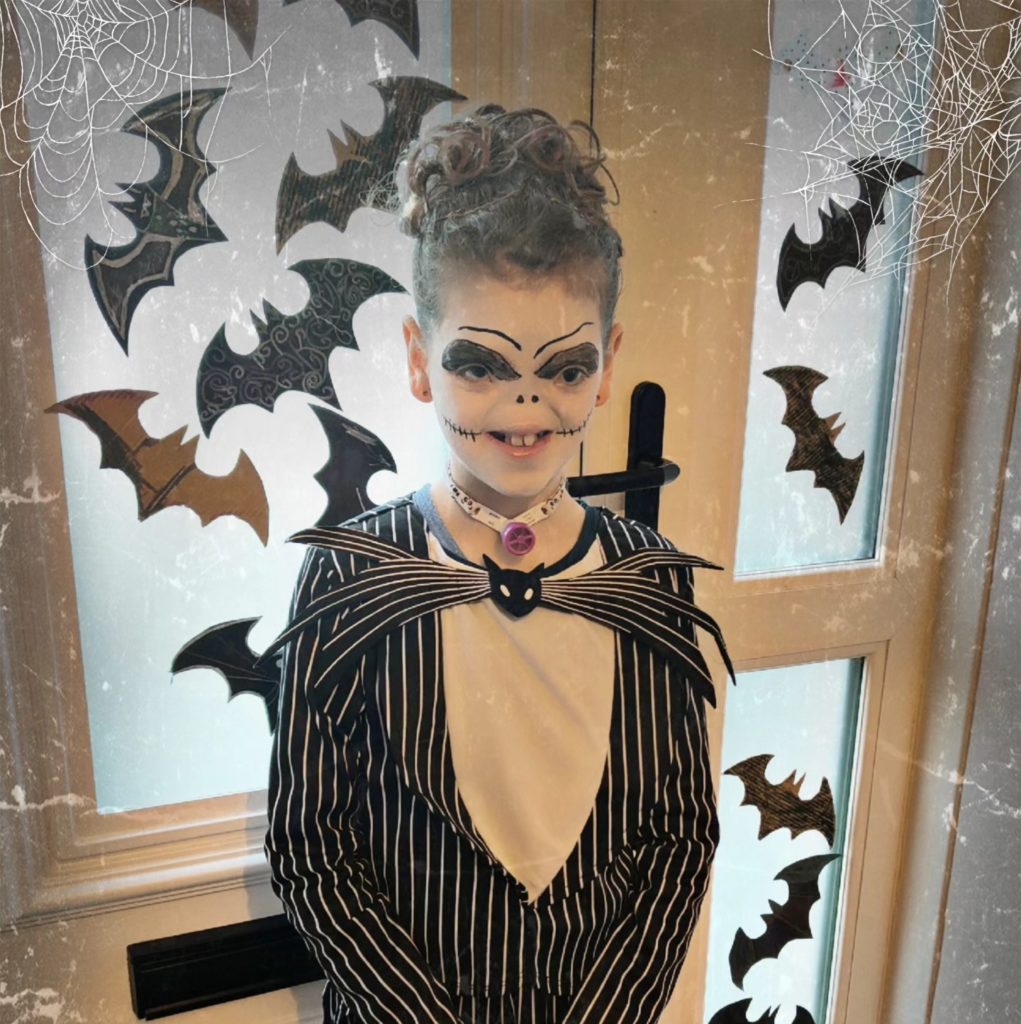
Tessa Evans’ story also illustrates the pivotal role of family support and advocacy in helping individuals with rare conditions. Her parents, Grainne and Nathan Evans, have been vocal about their experiences and the challenges of raising a child with BAMS. Through their advocacy, they have helped to raise awareness of the condition, demonstrating the vital importance of support systems for families coping with rare diseases.
One of the most powerful aspects of Tessa’s journey is the love and resilience shown by her family. Despite the hardships of dealing with a rare medical condition, Tessa’s parents have remained committed to ensuring she receives the best care possible. Their unwavering support has not only made a difference in Tessa’s life but has also contributed to a wider understanding of BAMS and the challenges faced by those living with it.
The Evans family’s advocacy extends beyond their personal experiences, as they continue to raise awareness and inspire others. Their efforts underscore the importance of continued research, education, and support for families dealing with rare medical conditions.

Raising Awareness and Supporting Research
Raising awareness about rare conditions like BAMS is crucial for improving the lives of those affected. With rare conditions often going undiagnosed or misunderstood, it is vital that healthcare professionals, policymakers, and the public are informed about these challenges. Increased awareness can lead to better research funding, improved treatment options, and greater understanding of the experiences of those living with these conditions.
Tessa Evans’ story is one of courage and determination, but it is also a reminder of the ongoing need for advancements in medical research. While there is still much to be done in the field of rare diseases, the growing recognition of BAMS and other rare conditions has led to more focused research efforts. For individuals like Tessa, this research may one day offer breakthroughs that improve both their lives and the lives of others with similar conditions.
Moving Forward: A Future of Hope
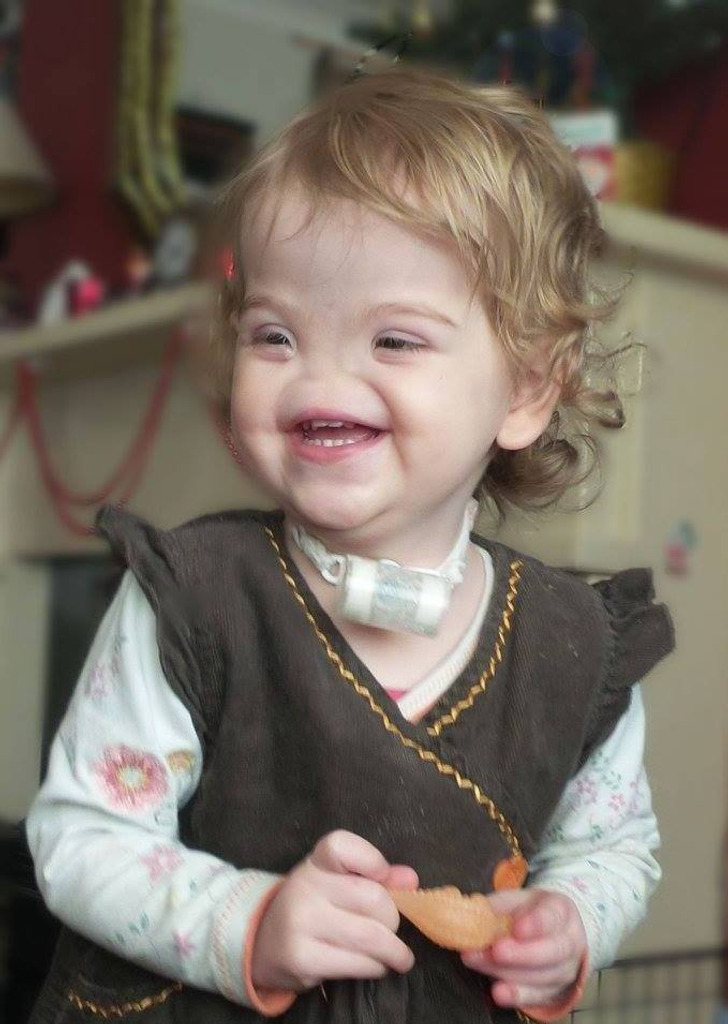
While the journey for children with Bosma arhinia microphthalmia syndrome is often filled with challenges, there is hope on the horizon. With continued advancements in medical research, the development of new treatments, and a greater focus on raising awareness of rare diseases, the future looks brighter for children like Tessa.
As Tessa continues to grow and her story continues to inspire, the importance of ongoing support for families dealing with rare conditions remains paramount. Tessa’s journey is a testament to the strength and resilience of children and families affected by rare medical conditions, and her story serves as a powerful reminder of the importance of love, advocacy, and medical innovation.
Conclusion: A Story of Strength and Resilience
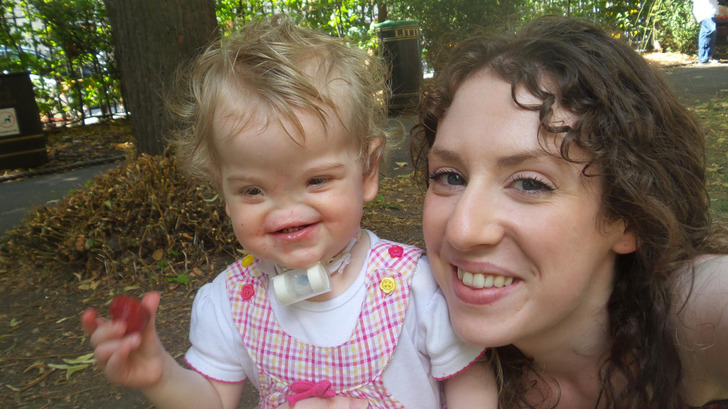
Tessa Evans’ life story is a powerful example of resilience and determination in the face of adversity. Her journey with Bosma arhinia microphthalmia syndrome, along with the unwavering support of her family, highlights the importance of early diagnosis, medical advancements, and advocacy for rare diseases. As Tessa continues to live her life with courage and strength, her story serves as an inspiration for others and a reminder that even in the face of the most challenging circumstances, there is always hope.
