Cracking open an egg and spotting a small red or dark dot inside can be unsettling, especially if you’re expecting a perfectly clear yolk. Many people immediately assume the egg has gone bad or is unsafe, leading them to throw it away without a second thought. In reality, this common kitchen surprise is far less alarming than it looks, and understanding what causes it can help reduce unnecessary food waste and worry.
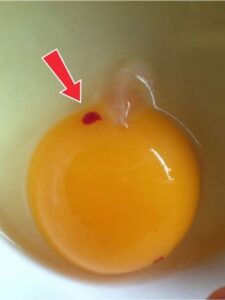
In most cases, a red spot in an egg is simply the result of a tiny blood vessel breaking while the egg was forming inside the hen. It is a natural occurrence and has nothing to do with fertilization, spoilage, or poor quality. These eggs are considered safe to eat as long as they are properly cooked, and the spot does not affect taste, nutrition, or freshness in any meaningful way.
If the spot is visually unappealing, it can be easily removed with the tip of a spoon before cooking. You may notice these spots more often in farm-fresh or ungraded eggs, especially those with brown shells. Commercial eggs sold in stores are usually candled, a screening process that uses bright light to detect visible imperfections before packaging, which is why red spots are less common in supermarket cartons.
It’s important to distinguish harmless red spots from signs of spoilage. Eggs with whites that appear pink, green, or unusually cloudy throughout should be discarded, as these changes can indicate bacterial contamination. With proper storage, careful inspection, and thorough cooking, eggs remain a safe and nutritious staple. A small red spot may be unexpected, but it doesn’t have to ruin your breakfast or your confidence in the food you prepare.
