When a person begins to notice a squeaking, grinding, clicking, or popping sensation in the hip, it often feels strange, alarming, or easy to dismiss as “just a noise.” However, the hip is one of the body’s most important weight-bearing joints, and unusual sensations are rarely random. A squeaking hip can be a signal that the smooth cartilage lining the joint is no longer functioning as it should, allowing friction to develop between surfaces that are meant to glide effortlessly. Over time, this friction can irritate surrounding tissues, alter movement patterns, and contribute to pain or stiffness. While not every sound or sensation means something serious, recurring noises paired with discomfort, reduced mobility, or stiffness should be taken seriously. These early signs can appear long before severe pain sets in, making them valuable warning signals. Conditions such as early-stage hip osteoarthritis, labral tears, or inflammation within the joint can all create audible or felt sensations during movement. Recognizing these signals early allows people to take steps that may protect long-term joint health, preserve mobility, and reduce the risk of future limitations. Rather than ignoring the problem, understanding what the body may be communicating is the first step toward maintaining strength, comfort, and confidence in daily movement.
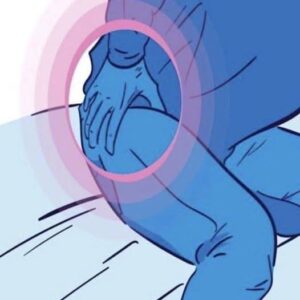
Seeking medical evaluation sooner rather than later is one of the most important responses to a squeaking or painful hip. Many people delay seeing a healthcare professional because the discomfort comes and goes, or because they believe joint problems only happen later in life. In reality, joint issues can affect people at many ages, especially those who are physically active, have a history of injury, or spend long hours sitting or performing repetitive movements. A medical professional, such as an orthopedic doctor or sports medicine specialist, can assess hip function through a physical examination and, when appropriate, imaging tools like X-rays or MRI scans. These evaluations help identify whether cartilage thinning, joint inflammation, structural irregularities, or soft tissue injuries are contributing to the symptoms. Early identification matters because treatment options are often more effective when joint damage is minimal. Interventions such as guided physical therapy, activity modifications, or targeted exercises may help slow progression, reduce discomfort, and protect joint integrity. Waiting too long can allow minor issues to worsen, potentially leading to chronic pain or more invasive treatments later. Seeing a doctor is not a sign of weakness or overreaction; it is a proactive step toward understanding and caring for the body.
Lifestyle choices play a significant role in how the hip joint ages and responds to stress. One of the most impactful factors is body weight, as the hip bears a large portion of the body’s load during standing, walking, and movement. Even small reductions in weight can noticeably decrease the mechanical stress placed on the joint. Research consistently shows that each unit of weight lost reduces joint pressure by several times that amount during everyday activities. This reduction can help ease discomfort and slow cartilage wear. Beyond weight, daily habits such as prolonged sitting, poor posture, or wearing unsupportive footwear can subtly alter how the hip functions. Making mindful adjustments, like standing up regularly, maintaining neutral posture, and choosing shoes that provide proper support, can help the joint move more naturally. Nutrition also matters, as a balanced diet supports overall tissue health, muscle strength, and inflammation control. While no single food can “fix” a joint problem, consistent healthy habits create an environment in which the body can better manage stress and repair itself. These choices may seem small, but over time they can make a meaningful difference in joint comfort and mobility.
Movement itself is both a challenge and a solution when dealing with hip discomfort. High-impact activities that involve repetitive pounding, sudden direction changes, or deep joint compression can accelerate wear when the joint is already irritated. Activities such as running on hard surfaces, jumping exercises, or heavy squats may increase pain or worsen symptoms if performed without proper guidance. This does not mean movement should stop altogether. In fact, avoiding activity completely can weaken muscles and reduce joint lubrication, making symptoms worse. The key is choosing joint-friendly forms of exercise that promote mobility without excessive strain. Swimming and water-based exercises are especially beneficial because water supports body weight while allowing full-range movement. Cycling, whether stationary or outdoors, provides cardiovascular benefits while minimizing impact. Walking on flat, even surfaces at a comfortable pace can also help maintain function and circulation. These activities encourage healthy joint motion, improve endurance, and support mental well-being, all while reducing the risk of aggravating existing hip issues.
Muscle strength and balance are critical to hip health, yet they are often overlooked until pain develops. The hip does not function in isolation; it relies on surrounding muscles, including the glutes, core, and thigh muscles, to stabilize and guide movement. When these muscles are weak or poorly coordinated, extra stress is placed directly on the joint structures. Over time, this imbalance can contribute to discomfort, reduced range of motion, and increased wear. Strengthening the muscles that support the hip helps distribute forces more evenly and improves alignment during daily activities. Exercises such as bridges, side leg raises, and controlled hip movements can activate key stabilizers when done correctly. A physical therapist can design an individualized program that addresses specific weaknesses, movement patterns, and flexibility needs. Proper guidance is important because incorrect technique can do more harm than good. Gradual, consistent strengthening not only reduces pain but also enhances confidence in movement, making it easier to stay active and engaged in daily life. Building strength is not about pushing through pain; it is about creating stability and resilience in a thoughtful, sustainable way.
Long-term hip health is shaped by attention, patience, and informed decision-making. A squeaking or uncomfortable hip should not be ignored, but it also does not have to define a person’s future. Many people successfully manage early joint symptoms by combining medical guidance, lifestyle adjustments, appropriate exercise, and strength training. Listening to the body and responding early can preserve mobility and independence for years to come. It is important to remember that joint health is not solely about avoiding pain; it is about maintaining the ability to move freely, participate in activities you enjoy, and support overall well-being. Small, consistent efforts often matter more than dramatic changes. By taking symptoms seriously, seeking professional input, and making thoughtful choices, individuals can empower themselves to protect their hips and maintain an active, balanced life. The body has an incredible capacity to adapt when given the right support, and caring for the hips today can help ensure comfort and confidence in movement tomorrow.
