Living liver donation represents one of the most profound expressions of love, selflessness, and commitment within families. Unlike other forms of organ donation that occur after death.

Living donation allows a healthy individual to give a portion of their liver to a loved one in need. This extraordinary act underscores the depth of familial bonds, reflecting not just generosity but also the lengths people are willing to go to preserve the life and well-being of those they hold dear.
Across the country, living liver donation has brought renewed hope to countless families. For recipients, the gift often means regaining strength, returning to daily life, and spending more cherished time with family and friends.
For donors, it represents a deeply personal journey of sacrifice, resilience, and the unique satisfaction that comes from giving the ultimate gift: life itself.
The Remarkable Regenerative Power of the Liver
One of the reasons living liver donation is possible lies in the unique regenerative capacity of the liver. Unlike many other organs, the liver can grow back to nearly full size after a portion has been removed.
In a typical donation, a donor gives approximately half of their liver. Over the following weeks and months, both the donor’s remaining liver and the transplanted portion in the recipient regenerate, often returning to full functional capacity.
This regenerative ability is not only a biological marvel but also a critical factor in the success of living donation programs.
For families facing the often long and uncertain waitlists for deceased donor organs, living donation provides a timely alternative that can be life-saving.
Older adults witnessing the health struggles of children, siblings, or even grandchildren often find these stories of regeneration deeply moving, reflecting themes of sacrifice, resilience, and hope.
A Son’s Courageous Choice: Donating to a Parent
In many families, adult children become donors when a parent faces severe liver disease.
Consider the story of a devoted son learning that his father’s condition has worsened, leaving him with limited options.
Without hesitation, the son volunteers to undergo the rigorous evaluation process to determine whether he is a compatible match.
Medical teams meticulously assess potential donors to ensure they are in excellent health and fully understand the risks, procedures, and long-term implications.
evaluation includes extensive blood work, imaging scans, psychological assessments, and detailed consultations with surgeons and transplant coordinators.
Only after thorough evaluation can a donor proceed, ensuring safety for both the donor and recipient.
Once approved, the family experiences a surge of optimism and anticipation. The surgical procedure itself is intricate but well-established in experienced transplant centers.
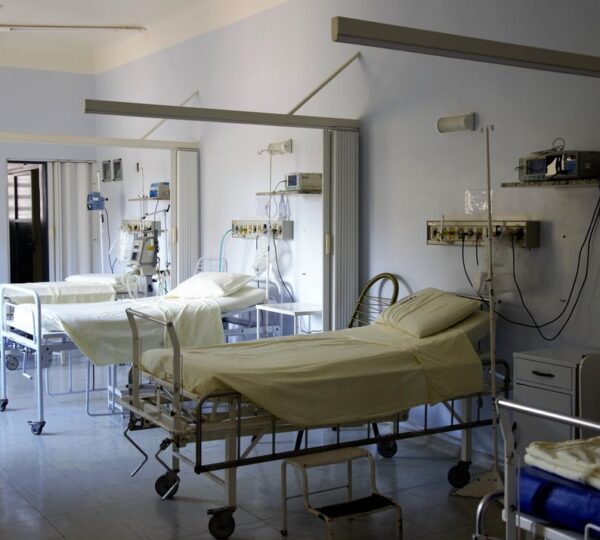
Typically, both donor and recipient undergo surgery simultaneously in adjacent operating rooms.
This careful coordination minimizes the time the liver segment spends outside the body, which is critical for ensuring the success of the transplant.
Immediately after surgery, initial outcomes are often promising. The recipient begins to show signs of improvement, gaining strength and energy.
Family members and friends celebrate the donor’s selfless act, recognizing it as a profound demonstration of unconditional love.
Community support often floods in—neighbors prepare meals, colleagues offer assistance, and friends provide emotional encouragement. The act becomes a source of inspiration, a tangible reminder of the extraordinary lengths family members will go to protect one another.
Recovery: The Realities and Challenges for Donors
While many living liver donations result in positive outcomes, the recovery process is significant and can present challenges.
Donors typically remain in the hospital for several days following surgery to allow medical teams to monitor liver function, vital signs, and overall recovery.
Once discharged, donors face weeks or months of gradually returning to normal activities, often requiring ongoing medical checkups and lifestyle adjustments.
Common post-operative issues include temporary fluid buildup, minor infections, and adjustments in liver function.
While these complications are usually manageable, they require careful attention and communication with the transplant team. In rare cases, more serious complications may arise, necessitating additional treatment or interventions.
Transplant specialists draw on extensive experience to support donors through these challenges, emphasizing safety, monitoring, and comprehensive follow-up care.
For older family members considering donation, understanding these realities is critical. The decision to donate is never taken lightly. It requires weighing the profound benefits of giving life against the known medical risks.
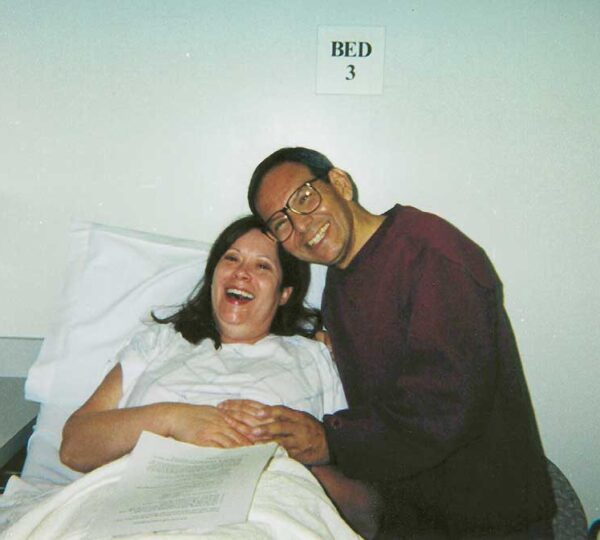
Despite the challenges, many donors report that they would make the same choice again, emphasizing the emotional and relational rewards of helping a loved one survive and thrive.
Strengthening Family Bonds Through Living Donation
Living liver donation is as much a social and emotional experience as a medical one. Parents often express overwhelming gratitude to their children, acknowledging the courage, sacrifice, and generosity inherent in the act.
Donors, in turn, gain a deep sense of fulfillment, knowing they have directly contributed to extending the life of someone they love.
Extended family members, spouses, siblings, and grandchildren frequently play vital roles in supporting both donor and recipient.
This support can take many forms: preparing meals, assisting with household tasks, offering transportation, or simply providing companionship and encouragement.
Communities often rally as well. Social media campaigns, fundraising efforts, and local volunteer networks help families navigate the logistical and emotional challenges associated with donation and recovery.
These experiences illustrate how living donation can strengthen family ties, fostering deeper empathy, understanding, and mutual appreciation.
Donors often describe their journeys as transformative, influencing not only their relationships with the recipient but also their broader perspective on life, family, and gratitude.
Medical Advances and Safety in Living Liver Donation
Medical advancements have made living liver donation safer than ever. Modern transplant programs emphasize rigorous donor selection, minimally invasive surgical techniques where appropriate, and comprehensive long-term follow-up care.
