Large baking sheet
Large mixing bowl
Sharp chef’s knife
Cutting board
Measuring spoons
Tongs or a spatula
A large baking sheet is especially useful because space matters when you’re roasting Brussels sprouts.
How to Choose Good Brussels Sprouts
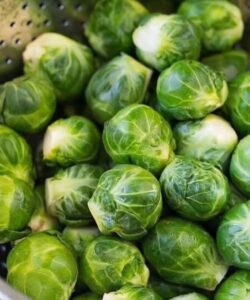
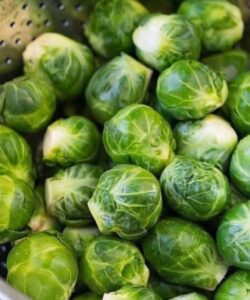
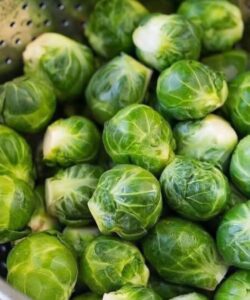
Start with fresh-looking Brussels sprouts.
Look for sprouts that are:
Bright green
Firm to the touch
Compact, with tightly packed leaves
Free from extensive yellowing
Free from excessive wilting or dark spots
Smaller Brussels sprouts can be especially convenient because they tend to cook relatively quickly.
If you’re buying them still attached to the stalk, choose ones that look firm and vibrant rather than dried out.
How to Make Crispy Roasted Brussels Sprouts
Step 1: Wash and Prepare the Brussels Sprouts
Give the Brussels sprouts a good rinse under cool running water.
Trim away the tough stem ends and remove any damaged or loose outer leaves.
Then cut each Brussels sprout in half from top to bottom.
Don’t skip this step!
The flat, cut surface is going to make beautiful contact with the hot baking sheet, creating those deeply browned, crispy edges we’re after.
Step 2: Season Them
Place the halved Brussels sprouts in a large bowl.
Add olive oil, salt, and freshly ground black pepper.
Toss everything together until the sprouts are lightly coated.
You don’t need to drown them in oil. Just enough to coat the surfaces and encourage browning is perfect.
Step 3: Arrange Them Properly
Spread the Brussels sprouts across your baking sheet in a single layer.
Whenever possible, place them with the cut sides facing downward.
And here’s one of the most important tips in the entire recipe:
Don’t overcrowd the pan!
If the sprouts are packed too closely together, moisture gets trapped between them. Instead of roasting and browning, they can begin to steam.
And steamed Brussels sprouts are not what we’re going for today!
Give them some breathing room.
Step 4: Roast at High Heat
Place the baking sheet in an oven preheated to around 400°F (200°C).
Roast until the Brussels sprouts are tender inside and deeply browned around the edges.
A cooking time of approximately 20–30 minutes is a useful starting point, although the exact time will depend on the size of your sprouts and the characteristics of your oven.
You can stir or turn them once during cooking if needed.
Watch the edges toward the end. Those crispy, dark golden leaves are where so much of the flavor is!
Step 5: Finish With Fresh Lemon
Once the Brussels sprouts come out of the oven, give them a small squeeze of fresh lemon juice.
This little finishing touch makes a surprisingly big difference.
The acidity brightens the roasted flavor and helps balance the natural bitterness of the sprouts.
And suddenly…
These don’t taste like the Brussels sprouts you remember.
Want to Make Them Even More Flavorful?
Once you’ve mastered basic roasted Brussels sprouts, the fun really begins!
This vegetable is incredibly versatile, which means you can take the same basic recipe in several completely different directions.
Parmesan Brussels Sprouts
While the sprouts are still hot, sprinkle freshly grated Parmesan over them.
The salty, savory cheese pairs beautifully with the caramelized edges.
For an extra-special version, add Parmesan during the final few minutes of roasting so it gets slightly golden.
Balsamic Brussels Sprouts
Add a drizzle of balsamic vinegar or balsamic glaze after roasting.
The combination of tangy acidity, slight sweetness, and deeply browned Brussels sprouts is fantastic.
Garlic and Herb Brussels Sprouts
Toss the roasted sprouts with finely minced garlic and fresh herbs.
Try:
Thyme
Parsley
Oregano
Sage
Rosemary
Fresh herbs make the dish feel especially bright and fragrant.
Bacon Brussels Sprouts
Want something smoky and savory?
Add cooked, crispy bacon.
The salty bacon and crunchy roasted leaves are a classic combination for a reason.
Sweet and Savory Brussels Sprouts
A small amount of maple syrup can provide a lovely sweet contrast to the slightly bitter sprouts.
Try combining a little maple syrup with balsamic vinegar, black pepper, or Parmesan.
You don’t need much—the goal is balance, not turning the vegetables into dessert!
What Do Roasted Brussels Sprouts Taste Like?
Properly roasted Brussels sprouts are nothing like the soft, boiled version many people remember.
The outside can be crispy, browned, and nutty, while the center remains tender.
Their flavor is savory with a natural sweetness that becomes more noticeable through roasting.
There can still be a mild bitterness, but it’s balanced by caramelization, salt, acidity, and whatever toppings you choose.
If you’ve only ever eaten boiled Brussels sprouts, this is worth trying.
Are Brussels Sprouts Healthy?
Brussels sprouts are a nutrient-dense cruciferous vegetable and provide several important nutrients, including fiber, vitamin C, vitamin K, folate, and carotenoids.
They also contain glucosinolates and other plant compounds that researchers have studied for their potential biological effects.
But let’s keep it realistic.
Brussels sprouts aren’t a miracle food, and eating them doesn’t guarantee protection from illness.
The bigger picture matters: a varied diet containing plenty of vegetables, fruits, whole grains, legumes, nuts, seeds, and other nutritious foods is what counts.
So enjoy your Brussels sprouts because they’re delicious and nutritious—not because you need one magical vegetable to fix everything.
Can Brussels Sprouts Cause Gas?
Yes, they can.
Like other cruciferous vegetables, Brussels sprouts contain certain fibers and carbohydrates that can cause gas or bloating in some people.
This may be more noticeable if you’re not accustomed to eating a lot of fiber or if you eat a large portion at once.
If Brussels sprouts don’t agree with your stomach, try starting with a smaller serving and see how you feel.
You can also experiment with different cooking methods and preparation styles.
What to Serve With Roasted Brussels Sprouts
These roasted sprouts are incredibly easy to pair with other foods.
Serve them alongside:
Roast chicken
Turkey
Baked salmon
Grilled steak
Pork tenderloin
Roasted potatoes
Rice or quinoa
Pasta dishes
Lentil or bean dishes
They’re also delicious as part of a holiday dinner.
And honestly, you don’t have to wait for Thanksgiving or Christmas. A sheet pan of roasted Brussels sprouts can turn an ordinary weeknight dinner into something that feels a little more special.
Tips for the Best Roasted Brussels Sprouts
Don’t Overcrowd the Pan
This is probably the most important tip.
Give each Brussels sprout enough room to roast rather than steam.
Use High Heat
High oven temperatures encourage browning and help create those crispy outer leaves.
Put the Cut Side Down
The flat surface has more direct contact with the hot pan, which encourages beautiful caramelization.
Don’t Go Crazy With Oil
A light coating is usually enough.
Too much oil can make the sprouts greasy rather than crisp.
Season Before and Taste After
Start with salt and pepper before roasting, then taste the finished sprouts.
You can add more salt, lemon juice, Parmesan, herbs, or balsamic glaze at the end.
Watch the Smaller Sprouts
Smaller Brussels sprouts may cook more quickly than large ones.
Keep an eye on them toward the end so the outer leaves become crispy without burning.
Can You Make Brussels Sprouts Ahead of Time?
Absolutely.
You can trim and halve the Brussels sprouts earlier in the day and keep them refrigerated until you’re ready to cook.
For the best texture, roast them shortly before serving.
If you have leftovers, refrigerate them in an airtight container and use them within a few days.
Reheat them in an oven, toaster oven, or air fryer when possible. These methods can help bring back some of the crispness that gets lost in the refrigerator.
Frequently Asked Questions
Why are my Brussels sprouts bitter?
Brussels sprouts naturally contain compounds that can contribute bitterness. Cooking method also matters. High-heat roasting, caramelization, and finishing with acidic ingredients such as lemon or balsamic vinegar can help balance that flavor.
Why aren’t my Brussels sprouts crispy?
The most common culprit is moisture and overcrowding.
If the sprouts are packed tightly together, they can steam instead of roast. Spread them out in a single layer and make sure the oven is properly preheated.
Should I boil Brussels sprouts before roasting them?
You don’t need to.
For this recipe, the Brussels sprouts go directly into the oven after being trimmed, halved, oiled, and seasoned.
Can I roast frozen Brussels sprouts?
You can, although the texture may be different from fresh Brussels sprouts because frozen vegetables contain more moisture.
For the crispiest results, fresh sprouts are generally easier to roast.
Can I eat Brussels sprouts raw?
Yes. Brussels sprouts can be eaten raw and are often thinly shaved for salads and slaws.
Their flavor is stronger and more pronounced when raw, so pairing them with a flavorful dressing can work especially well.
How do I make Brussels sprouts less bitter?
Roasting them until browned can help develop sweeter, nuttier flavors. Lemon juice, balsamic vinegar, Parmesan, and a small amount of maple syrup can also help balance bitterness.
Are smaller Brussels sprouts better?
Not necessarily, but smaller sprouts can cook relatively quickly and may be convenient for roasting. Freshness and proper cooking technique are more important than size alone.
The Bottom Line: Maybe You Don’t Hate Brussels Sprouts!
Maybe you never actually hated Brussels sprouts.
Maybe you just hated what happened to them in the kitchen!
There’s a world of difference between vegetables that have been boiled until soft and vegetables that have been roasted until their edges are golden brown and crispy.
So if Brussels sprouts have been sitting on your personal “never again” list for years, I’m asking you to give them one more chance.
Trim them.
Halve them.
Add olive oil, salt, and pepper.
Spread them out.
Roast them hot.
Finish with lemon.
And then take a bite.
Crispy edges. Tender centers. Nutty, caramelized flavor.
Anything but boring!!
And once you’ve mastered the basic recipe, that’s when you can start having fun with Parmesan, garlic, herbs, bacon, balsamic glaze, or a touch of maple.
Who knows?
You might just become one of those people who actually gets excited when Brussels sprouts are on the dinner table.
More Delicious Vegetable Recipes to Try
If you’re enjoying roasted Brussels sprouts, try adding more simple roasted vegetables to your dinner rotation:
Crispy roasted broccoli with garlic and Parmesan
Honey-roasted carrots
Garlic roasted potatoes
Balsamic roasted vegetables
Crispy roasted cauliflower
Parmesan roasted green beans
They’re proof that simple vegetables don’t have to be boring.
Did You Try This Recipe?
If you gave these roasted Brussels sprouts a try, I’d love to know what you thought!
Leave a review and share your favorite version.
Did you add Parmesan? Bacon? Balsamic glaze? Maybe you went all-in with garlic and herbs?
And if you take a photo, share it on Pinterest so other Brussels sprout skeptics can discover the recipe too!
Approximate Nutrition Information
Nutrition will vary depending on the amount of olive oil, cheese, bacon, or other toppings used.
For a basic serving of roasted Brussels sprouts prepared with olive oil, salt, pepper, and lemon, the dish provides a useful combination of fiber, vitamin C, vitamin K, folate, and other plant-based nutrients.
For the most accurate nutritional information, calculate the recipe using the exact ingredients and quantities you use.