Often overlooked as just another shade tree, the honey locust tree quietly holds a long history of practical uses and natural benefits. Native to North America, this hardy tree has supported people for generations—providing food, materials, and even traditional remedies. While modern life has pushed it into the background, the honey locust still offers surprising value for those who know how to use it wisely.
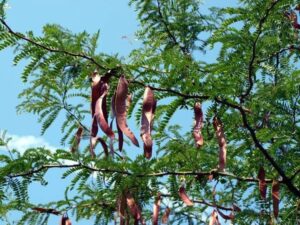
One of the most notable features of the honey locust tree is its seed pods. These long, dark pods contain a naturally sweet pulp that was once used as a food source. Indigenous communities and early settlers chewed the pulp or used it to make simple syrups and drinks. The sweetness comes from natural sugars, making it an early alternative to refined sweeteners.
Beyond food, the honey locust tree has been valued for its strong, durable wood. The wood resists rot and was traditionally used for fence posts, tools, and basic construction. Its toughness made it especially useful in outdoor settings where other woods would decay quickly.
In homemade and traditional uses, parts of the honey locust tree were sometimes prepared as natural cleaners or mild soaps. The pods and bark contain compounds that can create a light lather when mixed with water. While not commonly used today, this practice reflects how people once relied on natural resources for everyday needs.
The tree also plays an important role in the environment. Honey locusts improve soil quality by adding organic matter, provide shade without blocking too much sunlight, and offer shelter and food for wildlife. Bees are especially drawn to the tree’s flowers, supporting local pollination.
It’s important to note that not all parts of the honey locust tree are safe to consume, and its large thorns can be dangerous if handled carelessly. Any use should be approached with proper knowledge and caution.
The honey locust tree is a reminder that nature often hides its most useful gifts in plain sight. From traditional food sources to practical materials and environmental benefits, this unassuming tree proves that powerful resources don’t always come with a warning label—they simply wait to be rediscovered.
