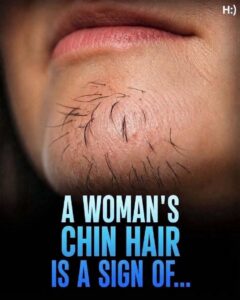
A few dark hairs on the chin are common and usually harmless. Inherited traits and hair follicles’ sensitivity to androgens can make facial hair thicker or more noticeable. Hormonal shifts, particularly around menopause, may also play a role. Sometimes increased growth is associated with polycystic ovary syndrome, which can also involve irregular periods, acne, or fertility difficulties. Chin hair alone does not establish that diagnosis, and certain medications can contribute, too.
What matters most is the pattern. Arrange a medical assessment if hair appears suddenly, increases quickly, or comes with voice changes, severe acne, or menstrual irregularities. If the change follows a new medication, speak with your prescriber rather than stopping it yourself. For unwanted hair, options include tweezing, waxing, laser treatments, and suitable prescription therapies. Treatment should reflect the cause and your preferences—not pressure to look a certain way. There is no shame in facial hair or seeking reassurance.